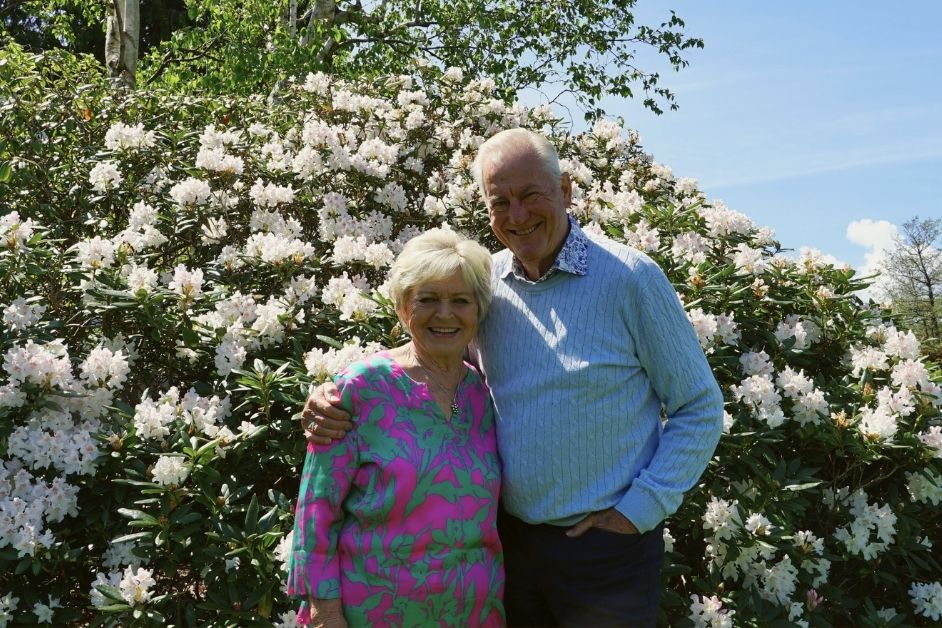
In both music and marriage, Hilda and Keld Heick have worked for the community.
They are known as one of the country's most beloved musical duos. With different interests and qualities, they have both dedicated their lives to music, to each other, and to working for the communities that have followed their long and impressive careers.
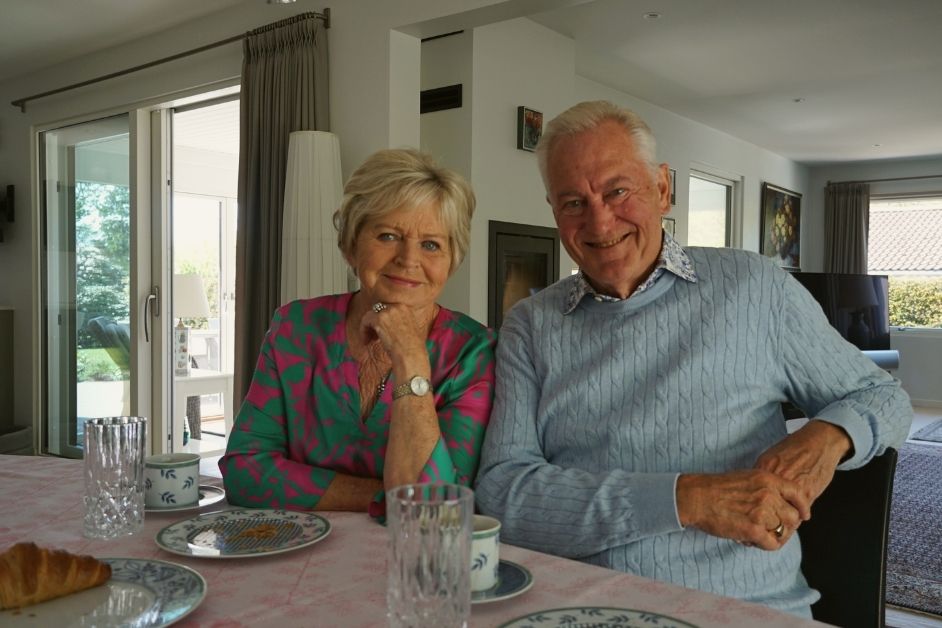
At the large dining table, settings have been laid for three, and warm croissants lie in the centre. Keld is operating the two coffee machines, which are brewing coffee side-by-side in the open-plan kitchen.
“The dining table can also become even bigger when we have more guests,” says Keld, who the next day will be serving Hildas Sausage lunch To celebrate her 80th birthday.
The two artists have been married for almost 58 years and have performed together for 45 of them. They have dedicated their lives to each other and to music. And one is tempted to ask the simple yet profound question: How?
Two sets of skills
Keld has, since he was a boy, dreamt of playing and making a living from music. Hilda, who is a qualified computer programmer, keeps her permanent job at Lundbeck.
The time is the early 1970s. With his orchestra ’Keld & The Donkeys‘, Keld Heick has established himself in Danish popular music with songs like ’Ved landsbyens gadekær“ and ”Vi skal gå hånd i hånd“. He is already well on his way to making his passion a career:
“I haven't been able to separate it. When is it work? When is it my own interest? It has mostly been my own interest that has driven it,” says Keld, adding:
“But none of us in the orchestra were particularly good with money and accounts.”
Hilda, on the other hand, contributed to solving the practical tasks in Keld's musical life alongside her work.
“I gradually took over more tasks. Both laundry and booking. The orchestra kept bringing the same dirty shirts, and so I took 16 shirts home on Sundays,” says Hilda and smiles.
Constructive criticism leads to better work.
Today, we talk about a ‘feedback culture’ in arts education and in the Danish music industry. Keld Heick expresses his collaboration with Hilda in a slightly different way:
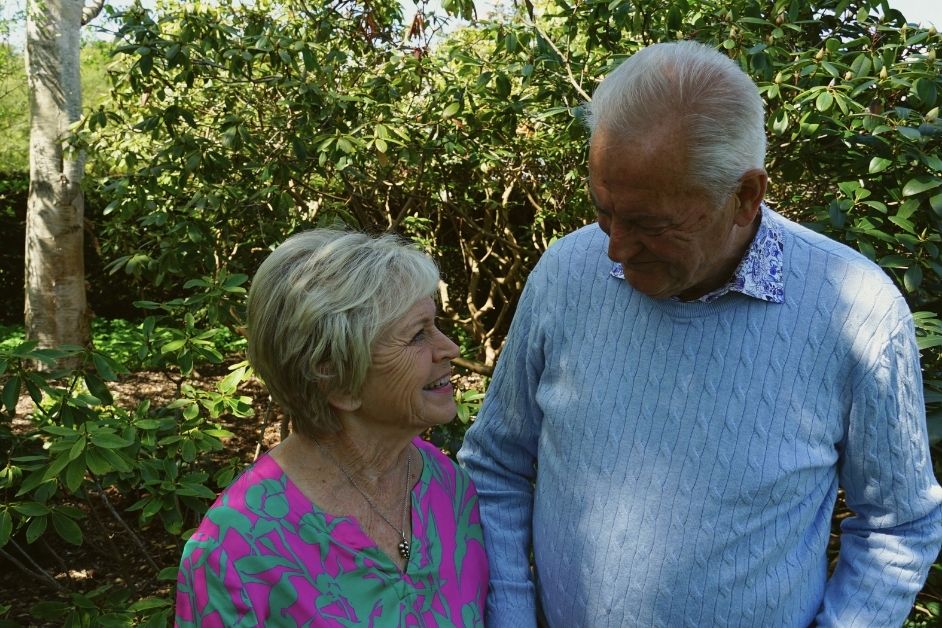
“Marvellously, I’ve had the world’s best judge,” he says, casting a look towards his wife and fellow artist.
“I'm probably the only one who dares to say it plainly,” says Hilda, who explains that she hasn't always received Keld's texts with the same love he might have wished for.
“He's a romantic above all romantics. Sometimes I have to say: Oh Keld, that's simply too much. Come back down to earth. It shouldn't be too saccharine,” says Hilda, well aware that she wasn't always popular.
And then Keld has gone back to the engine room — grumpy, surly and with the door slammed shut behind him.
“So I've rewritten the song completely. And then I humbly came a few hours later and asked what she thought,” says Keld about their way of being in the creative process together.
For Keld, it is of great importance that the lyrics are committed to memory, and that the person singing it is as happy with it as he is himself.
“When you've created a text that you yourself think is absolutely right and good, and the soloist also loves it, then it's a huge satisfaction,” says Keld.
Songs that live on through generations
Some songs take on a life that stretches far beyond the context in which they were written. This is true for several of Keld Heick's lyrics, but one song is something quite special for both him and Hilda.
“We both have a favourite song from the lyrics I've written: ‘Under stjernerne på himlen’,” says Keld about the song that Tommy Seebach wanted him to write for his daughter.
Keld was unaware of the relationship between Tommy Seebach and his daughter Marie. Therefore, he connected with the lyrics through his own life.
“I thought I didn't really know the relationship between Tommy and his daughter. But as a father, what would I write to our daughter?”
Tommy Seebach's enthusiasm for music was a great inspiration for Keld—an enthusiasm he himself shared and which brought energy into both the lyric writing, their collegial collaboration, and friendship.
He clearly remembered how he had hit the nail on the head when he showed Tommy Seebach the finished lyrics.
“I came and handed it over, and Tommy stood there with tears in his eyes and said: Bloody hell, it's good,” says Keld.
Tommy Seebach won the Danish Melodi Grand Prix in 1993 with “Under stjernerne på himlen” (Under the Stars in the Sky). The song was Denmark's entry to the Eurovision Song Contest in the same year. His son, Rasmus Seebach, re-recorded and released the song in 2011 – a version that has been played over 43 million times on Spotify alone.
‘I have learned how strong she is’
It wasn't Hilda's own idea that she should go up on stage. But when Keld & The Donkeys disbanded, Keld found himself in a new situation where he had to perform alone.
“I felt so lonely on stage. I’d always had an orchestra with me,” he says.
Hilda joined him – first as companionship and practical support, and later as part of the show. Gradually, the stage also became her working life.
“Only a month went by and I thought: ”Hey, this is actually quite fun'," says Hilda.
Keld describes it as a development that showed him a new side of his spouse:
“I’ve learned how strong she is. From being a modest girl to blossoming into an artist who more or less runs the show. It's been amazing to witness, and it's done something good for both of us,” he says.
The same drive later became a driving force when Hilda became involved in the board of the Danish Actors' Association.
“I’ve always said yes to all sorts of things. I just say: I’d be happy to give that a try,” she says.
A place to go as an artist
The shift from office work at Lundbeck to life as a performing artist, travelling the country to perform, was in many ways a upheaval in Hilda's working life.
“I wasn't used to people clapping for me and thinking it was lovely that I was doing something. They didn't do that at my office job,” says Hilda.
However, the recognition did not come from everywhere, and she quickly experienced the lack of recognition of music as a profession:
“People underestimate the work, and many have asked what our real job is. They think you just pick up your guitar and show up. But there are many hours of practice behind a performance,” says Hilda, who had singing lessons and hauled gear with Keld as part of the job.
So when she was offered a position on the board of the Danish Artists' Union, it was an obvious opportunity to use her skills and new knowledge about working life as an artist.
“I really gained an insight into some of the problems other artists were facing. For example, that dental problems can prevent someone from singing and carrying out their work,” she says and adds:
“It's good that we pay into something collective. It's important to have a place where you can say you have a problem, and then get help to solve it,” says Hilda, who herself has used the union's legal department to review contracts she has been uncertain about.
Community as a compass
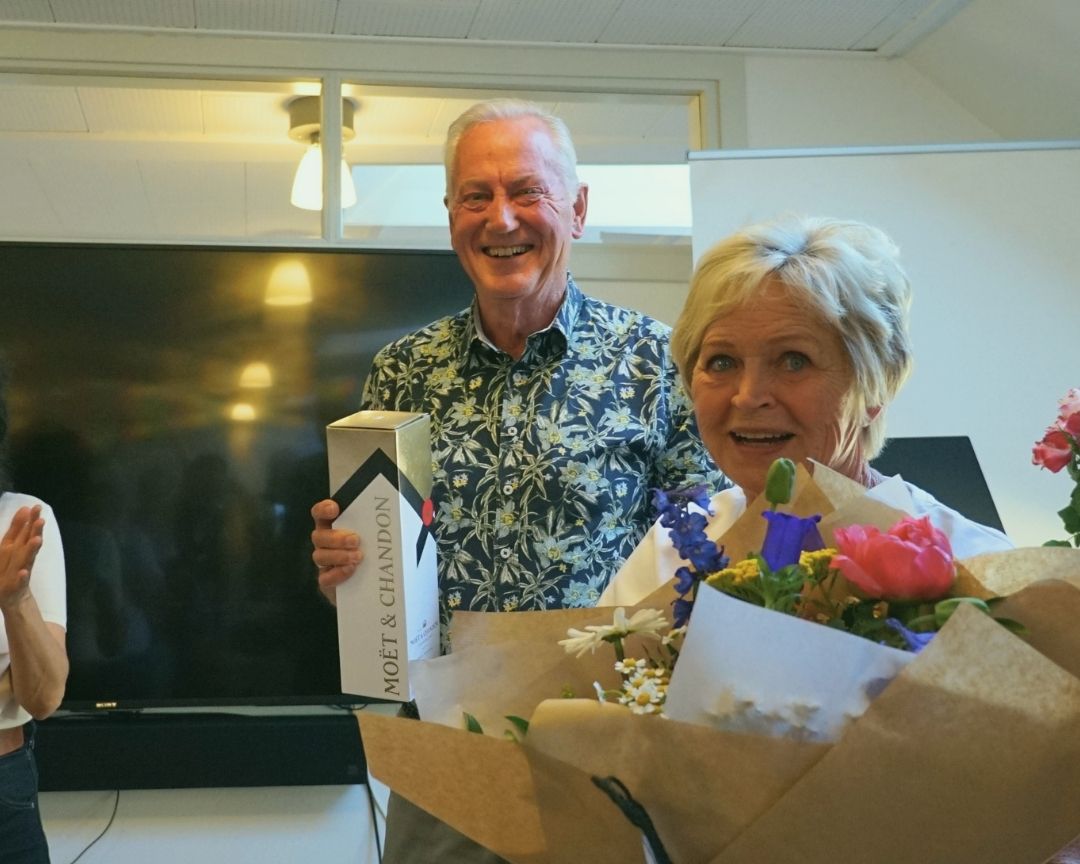
Hilda and Keld Heick were appointed honorary members of the Danish Artists' Union at the 2026 general assembly for their joint contributions to Danish music life.
With a string of hits, countless miles clocked up on the road, and a career built on both hard work and widespread appeal, they have shown over the decades what it takes to make a life as an artist a sustainable one.
Keld has written songs that have become part of the Danes' shared musical memory. Hilda has been on stage, taken responsibility for practical matters and engaged in the professional issues that shape artists' working lives.
Together they have maintained that music is both entertainment, companionship, work and community. Keld himself said it in the trade magazine Artisten in 2016, when he was asked about the future of Danish-pop:
“I always believe there will be a need for music that you can sing along to. The urge to sing together will always be there. There's something primal about singing in a crowd.”
In addition to honorary membership, Keld Heick was also awarded the Thøger Olesen Foundation's honorary grant.
Articles and photos by professional journalist Alberte Silberbrandt