Artists must invest themselves before others do.
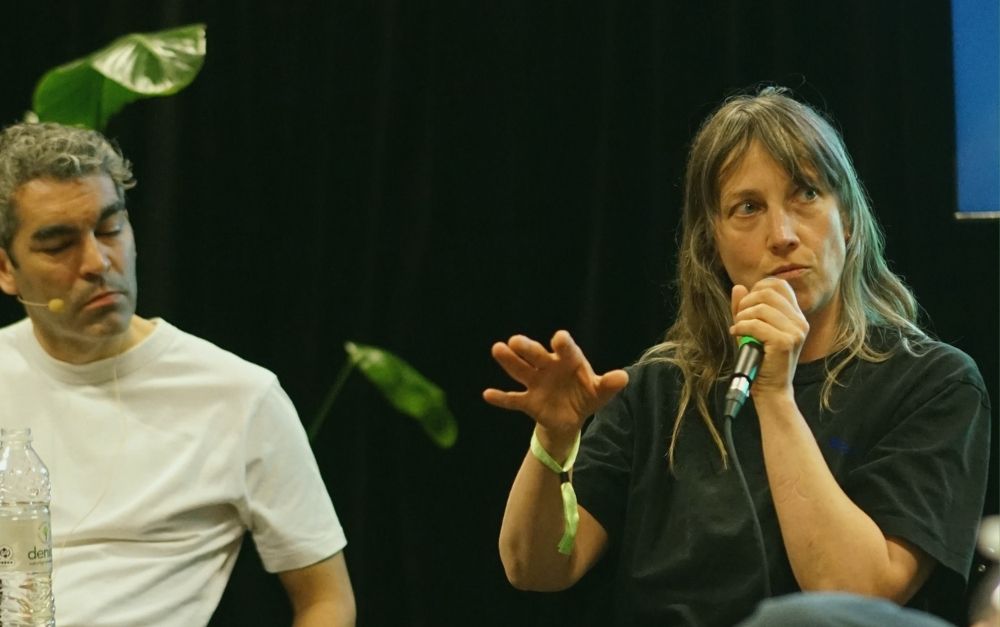
In the future, digital distribution will offer artists more opportunities, but at the same time, they will also have to bear a larger share of the work, risk, and investment before music becomes a livelihood. The prediction came at the Danish Artist Federation's panel debate at this year's SPOT Festival, where Danish and international panellists debated the future music market.
It has never been easier to make music accessible than now. An artist can today release music digitally and reach listeners across borders without a record deal, radio airplay, or a large apparatus behind them.
Market access has become easier and over 250 million musical works is available across digital music streaming services. However, for an artist to become interesting to industry professionals, they currently need to show a clear direction in their music, brand, and performance – and that's expensive for the artist themselves. This is according to David Martin, Director of the British artist organisation Featured Artists Coalition, and Karen Vincent, Managing Director at Warner Music Denmark, both of whom participated in the Danish Artist Association during SPOT Festival 2026.
The artist must be further along before the record label gets involved.
According to Karen Vincent, the fundamental task of a record label remains the same: to find talent, develop it, and bring the music to an audience. However, the way artists are developed has changed significantly.
Whereas record labels used to invest more in an artist in the earlier stages of their career and place them within a commercial narrative, more of the development work today lies with the artist themselves.
As an example, Karen Vincent points to a previous industry logic where a band like the Spice Girls was created to be positioned with clear roles: the sporty one, the quirky one, and so on. That's not how it works anymore. Warner today looks for artists who have already chosen a direction and have a clear sense of their music, their expression, and the way they want to approach the market.
”For me, an interesting artist is one who is confident in their expression: This is how it should sound. This is how I want to go to market. This is my Tone of voice and my Brand,” says Karen Vincent.
For her, that's precisely where a record label can step in and elevate the project with resources, knowledge, data, and finances.
This also means that artists who want to enter the commercial music market must understand the systems they are working within.
”Be intelligent about your business. Know the different organisations and their functions. Understand how everything works before you sign anything,” is her advice to artists.
More options, but greater risk for the artist
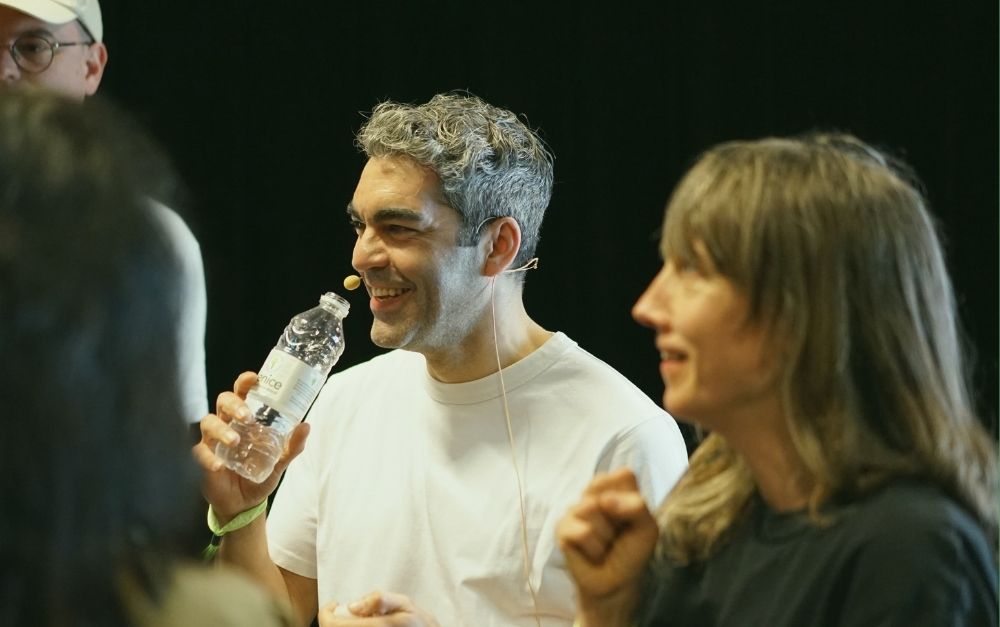
David Martin, director of the British artist organisation Featured Artists Coalition, points to the same trend from the artist's perspective. According to him, artists today need to be further along in their development before the industry invests in them.
”The stage artists need to be at, and the preparation they need for the market when they are signed, is probably two, three, four or five years further ahead than it was 15 years ago. And that's a big investment on the artist's part,” he says.
This doesn't just apply to recorded music. In the UK live scene, he sees the same trend. Artists often have to invest themselves in building an audience, developing their live format, and taking financial risks before touring can become sustainable.
”People aren't aware of how much the artist themselves invests,” says David Martin.
He describes a UK market where the top is growing, while the growth layer is being squeezed. Large arena and stadium concerts are doing well, but for artists who are in the process of building their careers, it can be difficult to make ends meet at all.
”It's easier to sell a £200 ticket than a £15 ticket in the UK right now,” says David Martin.
He highlights the UK Artist Touring Fund as an example of a model where money from larger concerts can help support artists trying to build a live career at grassroots level via a fund.
David Martin stresses that the entire industry is dependent on artists and their music, and that it is therefore enormously important that artists are involved when agreements are to be negotiated regarding both recorded music and live performances.
”For me, it's crucial that creators and artists are at the table. Far too much in this industry has been done *to* artists instead of *with* them,” he says.
In the coming period, the Danish Artists' Union will delve deeper into the perspectives of several industry professionals on the future music market, drawing on their particular expertise and work with artists in the Nordic region and internationally.
Written by Julie Westh Nielsen and Alberte Silberbrandt