“We need to talk about it”
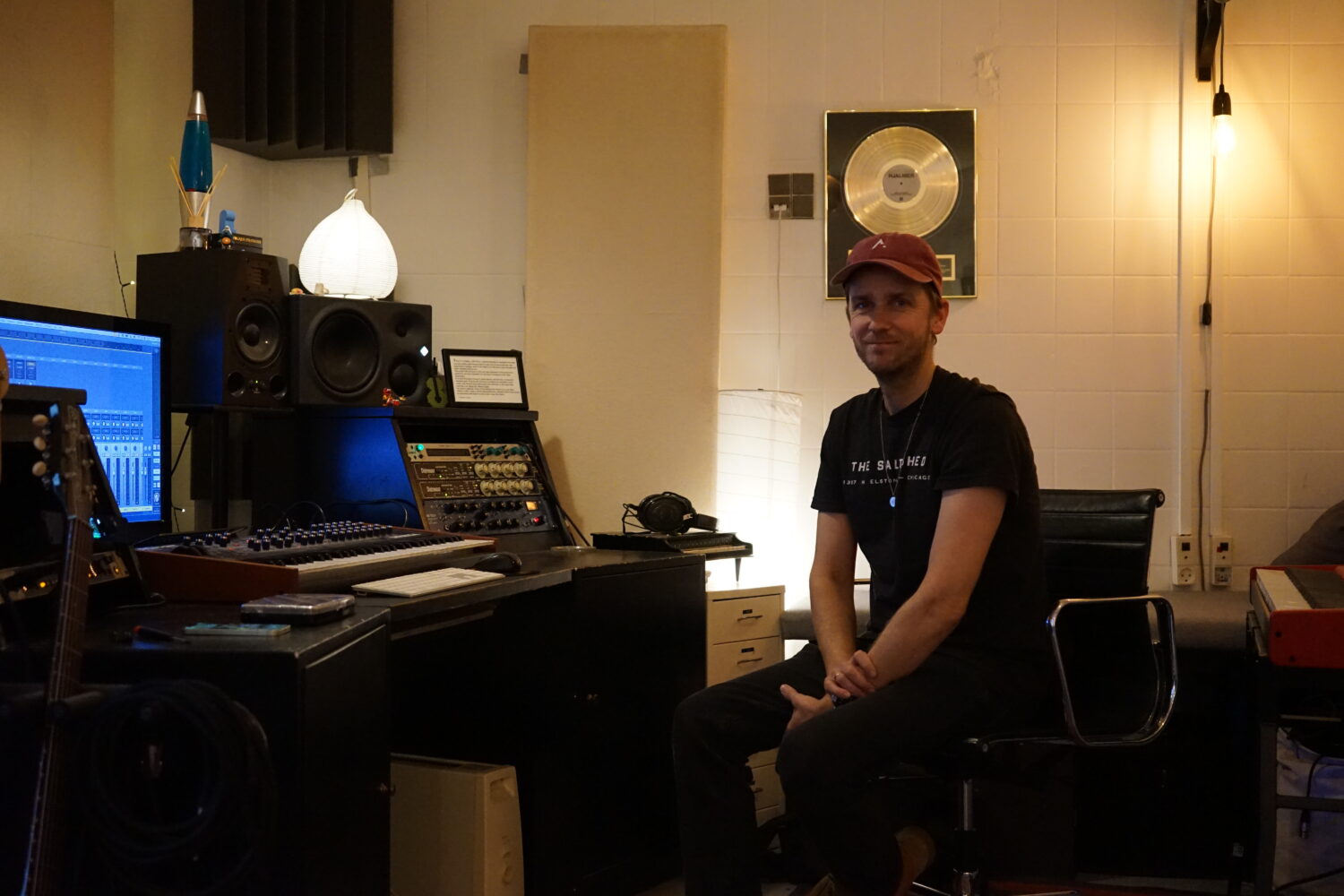
I a creative workflow it is It's good to be open. But salary, terms and responsibility is important to get a handle on from the start. Asger Møller speaks experience from his musical career and has used his knowledge to that to be involved in formulate ‘Guide to good cooperation On and backstage' together with other colleagues and with the help of workplace environment experts and lawyers in the Danish Artists' Union.
Asger Møller has been part of the established music industry for 20 years year. But it is actually only within in recent years, that he has started to have those conversations, which are the very hardest – conversations that concern being both friends and colleagues and having a sustainable working relationship on and off stage.
Therefore, Asger has helped to initiate the union's new ‘Guide to Good Collaboration On and Off Stage’. Here, music and performing artists – and everyone involved on and off stage – can find help in addressing topics that are good to discuss before entering into a collaboration:
"The things in the guide may seem reasonable obvious. But I find that there are rarely very clear agreements on the themes the guide describes. And when I talk to my colleagues, they can also recognise it, sigI'm Asger Møller.
The guide should be part of a cultural change
Before a record production or a tour, you should have a chat about pay, terms and conditions, and responsibilities.
“If you don't have those things in place, a lot of uncertainty can arise. And that's in an industry that's already quite up and down,” says musician and producer Asger Møller.
He has produced for and played live with many artists both in Denmark and internationally. He hopes the guide can concretise discussions and make it easier to get the formalities in place before a collaboration.
“For 20 years, I've heard myself say ‘We'll figure it out’. And that's a really great approach to many things, for example in a creative process. But when it comes to working conditions, you shoot yourself in the foot by saying it,” he says, adding that his own experience from his career was the motivation for formulating the collaboration guide.
Talking about salaries can be tricky between friends
For Asger, it has been difficult to be the one who put their hand up and spoke about things like pay. It can feel like you're spoiling the good atmosphere among a group of friends who are about to make music together.
“These working relationships are often close, friendly relationships too. And then the conversations where you ask, for example, how much you earn, can be rather difficult to initiate,” he explains.
But the fear of spoiling the good atmosphere has proven to be unnecessary. In fact, his work life has been characterised by a greater sense of security and calm for everyone, after he started having an initial conversation with those he works with:
“When you're on tour together, a rather intimate space develops between yourself and those you're playing with. And talking about salary and conditions isn't very suitable there. That's why it's important to get that sorted beforehand. It gives you a completely different sense of calm once you've started the work,” he says.
A plan is worth its weight in gold – even when changes occur
When entering into a collaboration, there can be many unknowns: How long does it take to make an album? How many gigs will we be booked for in the autumn?
But for Asger Møller, it is much easier to navigate changes to a plan than to have no plan at all.
“If someone tells me what my tasks are, how long I need to spend on them, and how much they can pay me, then I can say “yes please” or “no thank you”. It's easy to deal with. And if there are changes along the way, it's much easier to talk about when you've already created a space for dialogue,” he says.
Clear agreements on payment, well-being and working environment, as well as layover days and cancellations for tours or concerts, are some of the areas the guide points out as needing to be agreed upon.
A guide to both sides of the table
Although employers have a host of responsibilities when hiring people for a tour or record production, Asger hopes that artists, musicians, organisers, and others in the creative industries can share the responsibility for working environment and well-being, and help each other to have these conversations along the way.
He hopes that ‘The Guide to Good Collaboration On and Off Stage’ can help create change and provide greater comfort and security for everyone working within music and the performing arts.
“I hope that many people read it and realise that the more these things are under control before we start, the cooler the creative processes are for everyone,” he says, concluding:
“We'll simply help each other get this going.”
You can read the Danish Artists‘ Union's ’Guide to good cooperation on and off stage' here.
Text and photos by freelance journalist Alberte Silberbrandt
